
Sex Offender Checks in Cobb County
The official starting point is the Georgia Sex Offender Registry. GBI and GCIC operate the statewide public system under O.C.G.A. §42-1-12, while county sheriffs register residents and transmit local changes. Narrow a Cobb County search with a reliable name or geographic details such as county, city, ZIP code, or address proximity when those controls are available.
Compare enough identifiers to avoid a same-name mistake. For a neighborhood search, inspect the list and map legend and remember that geocoding can be approximate rather than a property survey. Cobb Sheriff is the local contact for address or verification concerns; GBI handles the central system.
The registry should be treated as its own statutory public-safety record, not as a substitute for Cobb State Court, Superior Court, a Sheriff booking record, or a GCIC criminal-history review. A listed offense identifies the conviction connected to registration, but the profile is not designed to reproduce every docket event, sentence modification, or unrelated case. When the precise judgment matters, note the conviction jurisdiction and date and request the court record from that jurisdiction.
The GBI registry gateway directs visitors to the official search.
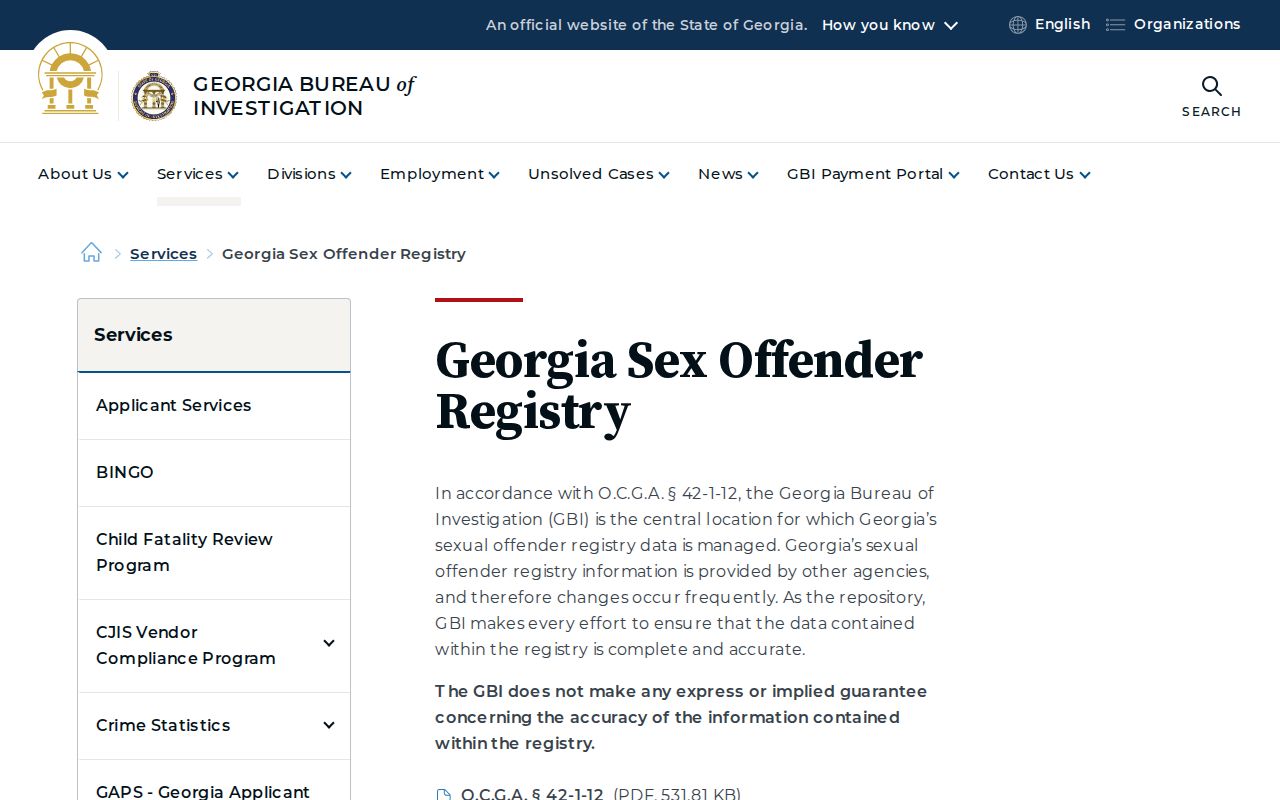
Use this current gateway instead of an unofficial copied list.
How Cobb Entries Reach GBI
Registry data follows a state-and-local chain. Cobb County Sheriff maintains information for local registrants. GBI says sheriffs must forward changes within two business days, while the public registry updates daily. Those schedules do not promise an instantaneous change. Georgia Department of Corrections and the State Board of Pardons and Paroles contribute records for people in their processes, and GBI enters qualifying people relocating from another state.
A Cobb residence or local-verification question ordinarily begins with the Sheriff; a portal or central-record problem belongs with GBI. Suspected noncompliance should go to law enforcement, never personal confrontation.
The same routing principle applies to corrections. GDC and Parole may supply information while a person is within their processes, but Cobb Sheriff remains responsible for local registration updates. If a current field conflicts with an older document, record the profile's update or verification date and describe the disputed field specifically when contacting the agency. That is more useful than asking an office to investigate a vague claim that the whole profile is wrong.
How to Search the Georgia Sex Offender Registry
The live interface can change labels. Use the current controls and follow four steps:
- Open the official GBI registry gateway and follow its conditions into the current search.
- Enter a dependable first and last name, or select Cobb County and add a city, ZIP, or address when offered.
- Review list or map results and compare identifiers rather than assuming a common name is the right person.
- Open the profile and inspect conviction facts, current registration fields, classification, status, and verification date.
| Field Label | Type | Required | Notes |
|---|---|---|---|
| First name | Text | Optional | Use with surname |
| Last name | Text | Optional | Do not assume exact matching |
| County | Dropdown | Optional | Select Cobb |
| City | Text/dropdown | Optional | Narrow to a Cobb locality |
| ZIP/address | Text | Optional | Geographic search where offered |
| Map/List | View control | No | Confirm availability and legend |
The GBI registry FAQ explains update timing and inclusion.
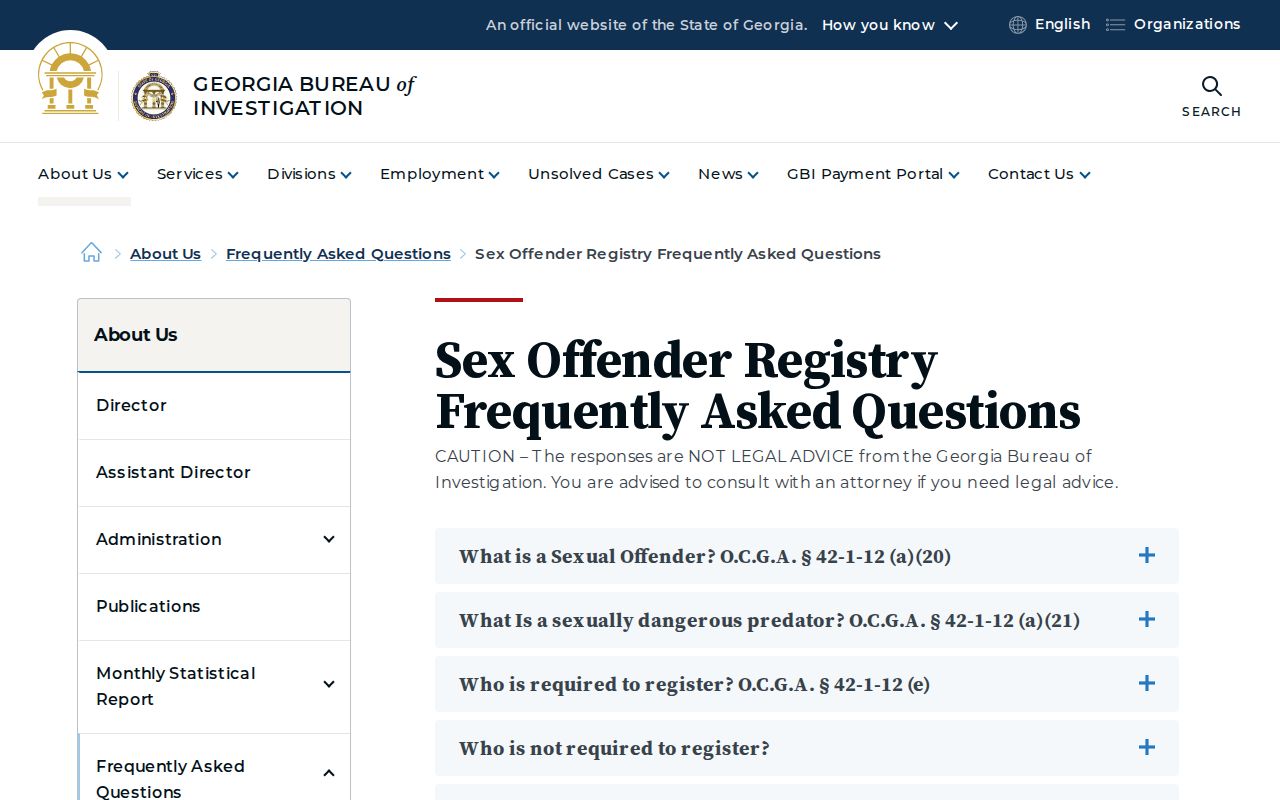
Use that guidance when interpreting an empty result or recent change.
When a Cobb Search Returns Nothing
No result does not certify that no qualifying registrant exists. GBI lists several explanations: no Georgia registration duty, removal after death, information not yet submitted, successful First Offender completion, or incorrect criteria. Juveniles generally do not register unless tried and convicted as adults, subject to statute.
Try a broader spelling or alias and a geographic route. If another state may be involved, use NSOPW. Ask Cobb Sheriff about a known local record that appears missing or inaccurate.
Search timing matters as well. The two-business-day sheriff transmission duty and daily public update cycle describe agency procedures, not a guarantee that every change is visible at the moment a user searches. Save the criteria used and repeat a time-sensitive search through the official interface. If the concern is an immediate safety issue, skip repeated online searching and contact law enforcement.
Inside a Registry Profile
O.C.G.A. §42-1-12 requires identifying and conviction fields. Distinguish historical facts from changing facts: conviction jurisdiction, date, and offense are historical; an address, vehicle, photo, school or employer field, status, and verification date can change.
| Name & Aliases | Display name and known aliases |
|---|---|
| Photo & Physical Description | Photo and available physical identifiers or marks |
| Registered Address | Reported residence and authorized location fields |
| Offense & Conviction | Crime, conviction date, and jurisdiction |
| Classification | Georgia SORRB risk assessment or pending status |
| Registration Status | Available compliance, update, vehicle, and verification details |
A profile is not the complete court file. Use the conviction jurisdiction for certified proof and Cobb Sheriff for a concern about a changing local field.
Classification also needs careful wording. Level I and Level II are SORRB risk assessments, while Sexually Dangerous Predator is Georgia's highest statutory designation. “Not yet classified” does not mean “not registered” or “not public”; it can describe a pending assessment or legacy circumstance while registration remains required. Likewise, a compliance label reflects reported registration status, not a new finding about the underlying conviction.
Cobb Search, Then NSOPW
Georgia's registry is the best Cobb-focused layer. The Justice Department's National Sex Offender Public Website searches participating jurisdictions and helps when a person moved or another state's record may matter.
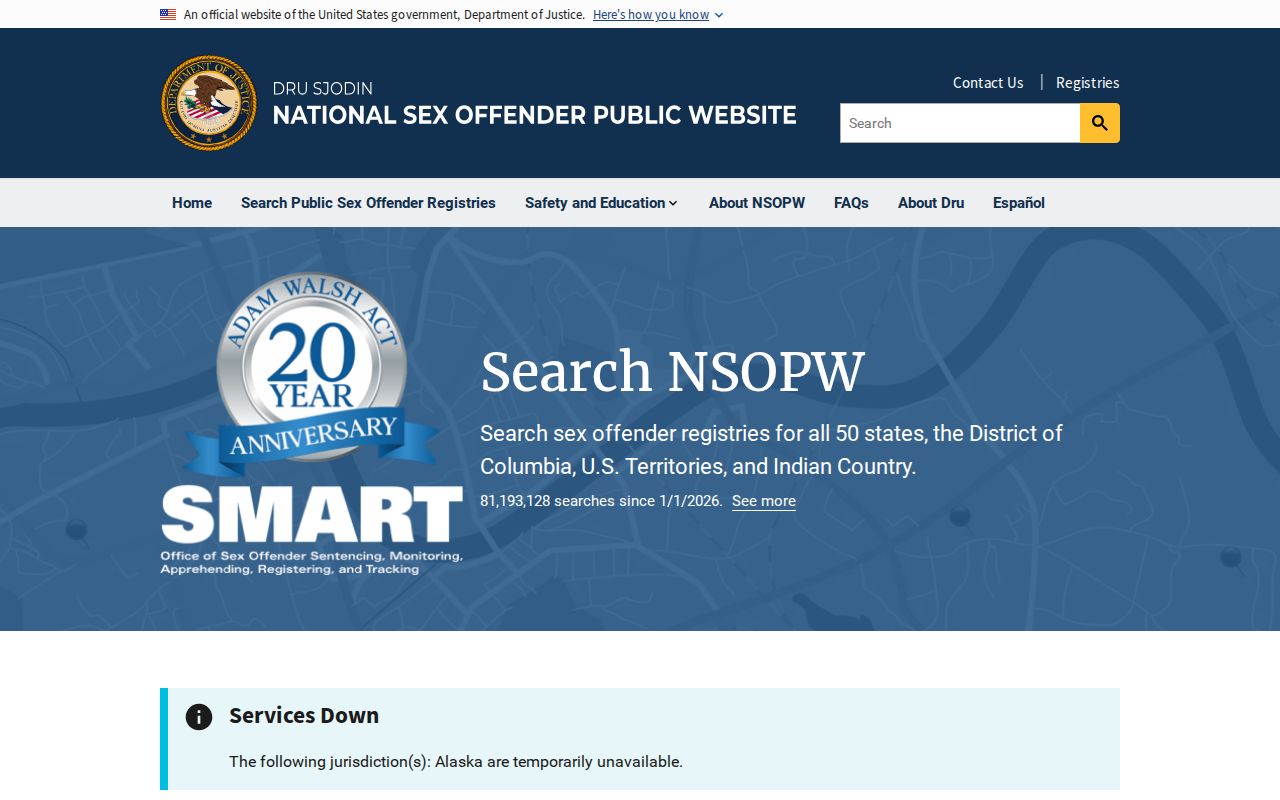
Open the originating jurisdiction's result to confirm its current fields and rules.
Georgia Registration Levels and Requirements
Georgia's Sexual Offender Registration Review Board classifies risk under O.C.G.A. §42-1-14. These are not federal Tier I/II/III duration labels. Georgia generally requires lifetime registration for covered people, subject to the detailed petition and removal provisions of §42-1-19. Eligibility depends on case-specific facts and exclusions.
| Classification | Duration framework | Public/reporting note |
|---|---|---|
| Level I | General lifetime rule; possible §42-1-19 relief | Assessed low risk; duties remain |
| Level II | General lifetime rule; relief is statute-specific | Assessed intermediate risk |
| Sexually Dangerous Predator | Do not substitute federal Tier III duration | Highest designation; enhanced provisions |
| Not yet classified | Registration may continue pending assessment | Can remain publicly listed |
Residency and activity restrictions under §42-1-15 are date- and offense-specific. A person moving from Georgia must notify the last-registering sheriff and register in the new state within 72 hours after establishing residence.
Do not turn that statute into a homemade distance calculation. Applicability can depend on the offense and date, and a registry map marker may only approximate an address. Current statutory text and case-specific legal advice are more reliable than drawing a circle around a displayed point. The public profile communicates reported registration information; it does not adjudicate a boundary dispute or authorize entry onto the location shown.
First Offender Status and Visibility
Record restriction and registry visibility are separate. GBI names successful First Offender completion as one reason a person may not appear, but the judgment, qualifying offense, completion, and current statutes control each case.
The GBI restriction resource explains the statewide process.
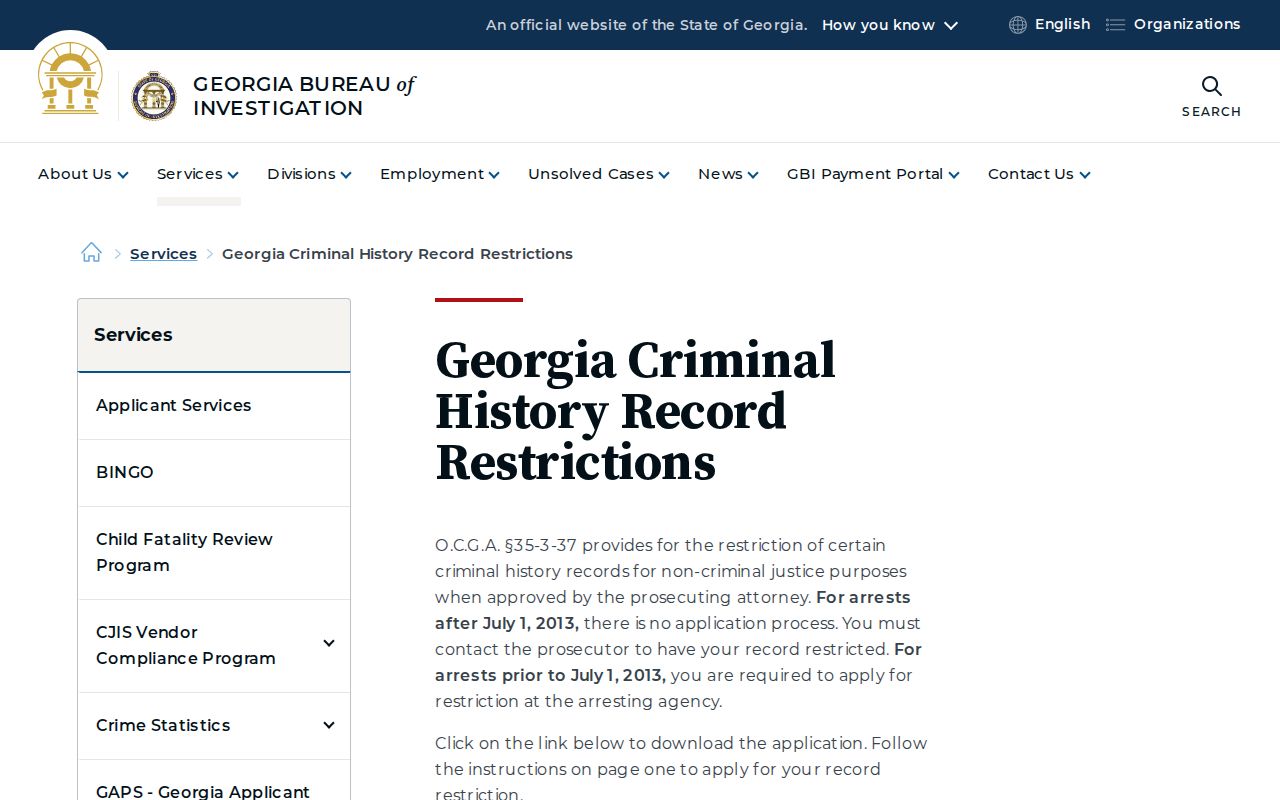
Restriction limits ordinary public dissemination; it does not simply erase a record.
Georgia's record restriction instructions give another official overview.
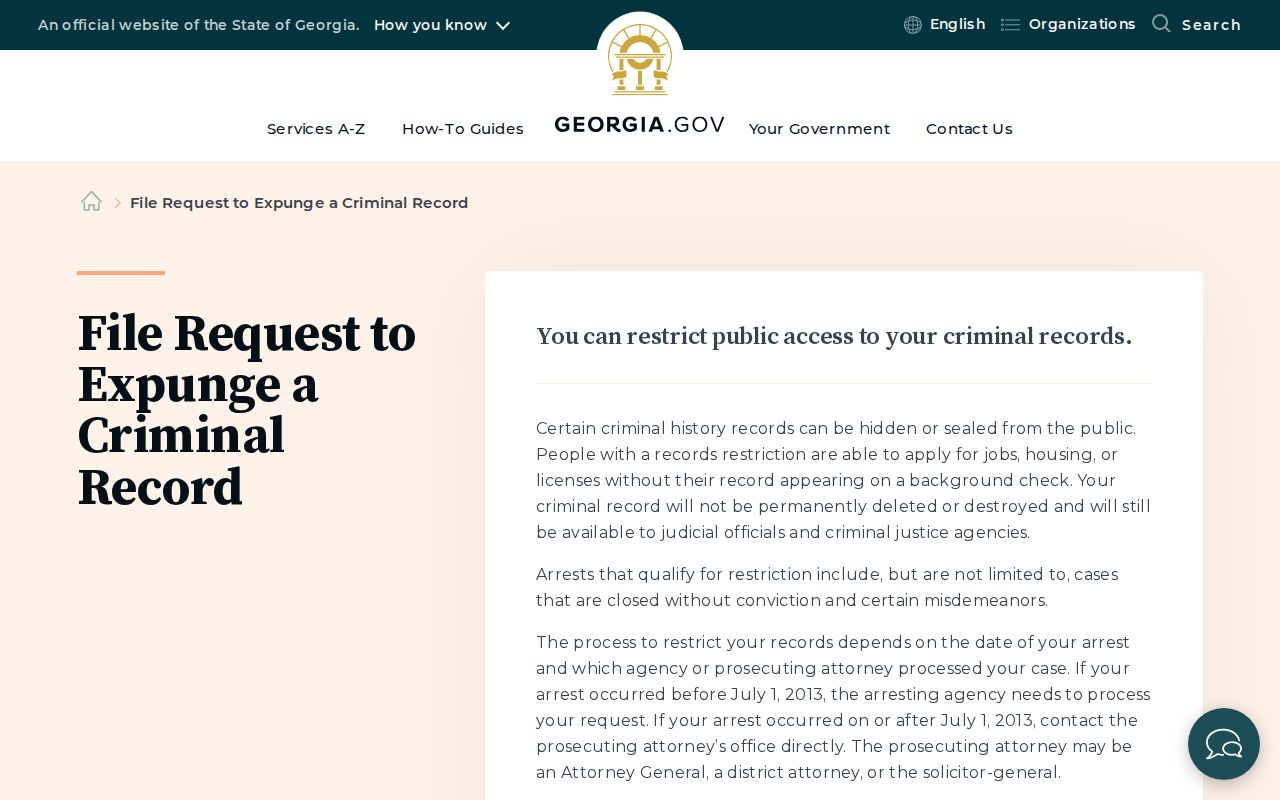
Obtain the Cobb court disposition and legal advice instead of inferring registry consequences from a search.
Reporting Cobb Noncompliance Concerns
A suspected failure to register is a law-enforcement matter. Preserve the public profile link, note the field and verification date that prompted the concern, and give that focused information to Cobb County Sheriff. A technical registry problem or central-record issue can be directed to GBI. Do not follow, visit, photograph, question, or publicly accuse a listed person in an effort to confirm the information yourself. That conduct can create danger, interfere with an investigation, and misuse a system intended for public awareness.
Community Notification and Lawful Use
The registry exists for public-safety awareness. It is not permission to enter property, approach a registrant or household, threaten anyone, or interfere with lawful activity. Report suspected failure to register to law enforcement. Registration violations can carry severe felony consequences under O.C.G.A. §§42-1-12 and 42-1-16, but investigation belongs to public agencies.
Cobb Sheriff's exact registry counter and current hours were not confirmed, so check the official Sheriff site before visiting. For immediate danger, call 911.
Use registry information responsibly. Harassment, threats, trespass, intimidation, vigilantism, or other misuse can violate Georgia criminal or civil law. Report concerns rather than confronting a listed person or household.
A registry result should be read with its verification or update field because residence, vehicle, school, employer, and compliance information can change. Historical conviction facts and current location fields serve different purposes. When a Cobb County address appears inaccurate, give the profile and specific field to the Sheriff or GBI rather than publishing a personal claim about the listed individual.